Why You Need a Sourcing Agent When Buying from China: Navigating the Complexities of China’s Export Landscape
In today’s increasingly complex global supply chain, China remains firmly entrenched as the “world’s factory.” Yet for international buyers, directly engaging with Chinese suppliers is far from straightforward. Despite widespread marketing claims of being “direct-from-factory” or “manufacturer-direct,” many so-called “factories” are actually trading companies that profit from information asymmetry and hidden markups. In this context, professional sourcing agents have emerged as essential intermediaries—trusted third parties who bridge the gap between overseas buyers and genuine Chinese manufacturers. This article explores China’s current foreign trade environment, clarifies the critical advantages of working with a sourcing agent over dealing directly (or seemingly directly) with suppliers, and explains why a reputable agent offers far more than just product sourcing—they provide end-to-end oversight, risk mitigation, and operational support.
I. China’s Foreign Trade Environment: The “Factory Mirage” in an Age of Information Asymmetry
The rise of cross-border e-commerce and B2B platforms (such as Alibaba.com and Made-in-China.com) has made it appear easier than ever for international buyers to connect with Chinese suppliers. However, beneath this surface-level accessibility lie significant risks:
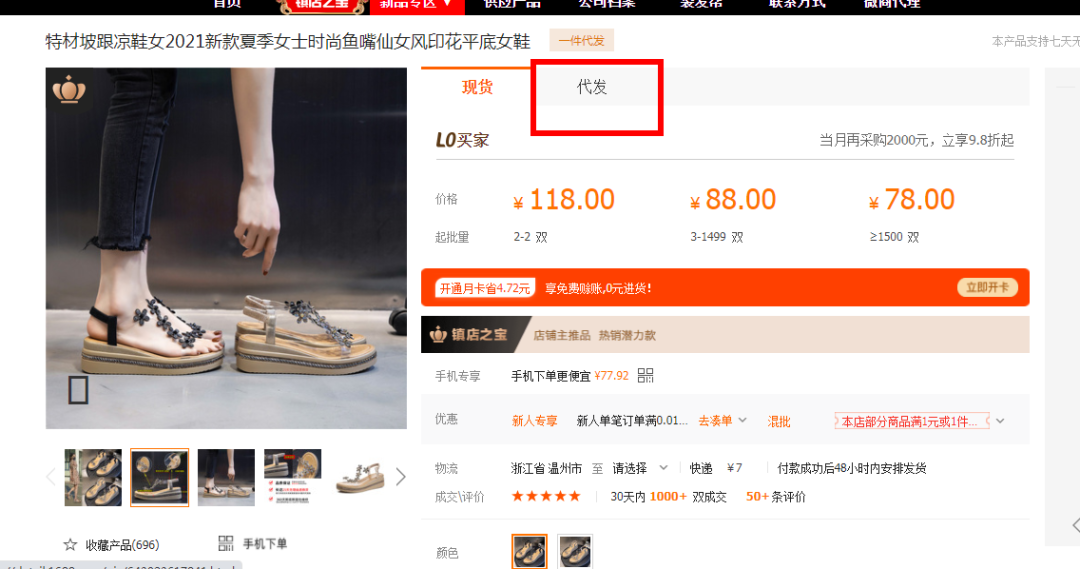
II. Sourcing Agent vs. Direct “Factory” Contact: Who Truly Adds Value?
Given these challenges, the role of a professional sourcing agent becomes indispensable. Unlike passive intermediaries, credible agents act as active, independent representatives embedded in the local ecosystem. Their core advantages include:
1. Authentic Factory Verification—Cutting Through the Hype
Local sourcing agents maintain extensive supplier databases and conduct regular on-site audits. They verify a factory’s legitimacy through business licenses, machinery inventories, workforce size, export history, and production capacity—filtering out imposters that remote buyers cannot easily detect.
2. Neutral Representation Aligned with Buyer Interests
Unlike trading companies whose profits come from markup, sourcing agents typically charge transparent service fees or commissions unrelated to product pricing. This structural neutrality ensures they advocate solely for the buyer during price negotiations, contract drafting, payment terms, and dispute resolution.
3. End-to-End Supply Chain Management
Modern sourcing agents offer comprehensive services that extend far beyond initial supplier matching:
This closed-loop oversight dramatically reduces the buyer’s operational burden and exposure to risk.
4. Agility in Crisis Response
When disruptions occur—such as raw material price spikes, regulatory changes (e.g., export tax rebate adjustments), or pandemic-related lockdowns—local agents leverage their networks and market intelligence to pivot quickly: switching to backup suppliers, renegotiating timelines, or accessing government support mechanisms to keep projects on track.
III. Sourcing Agent ≠ Trading Company: The Critical Difference Lies in Transparency and Trust
It’s vital to distinguish sourcing agents from traditional trading companies:
| Dimension | Trading Company | Sourcing Agent |
|---|---|---|
| Role | Seller (product provider) | Buyer’s representative (service provider) |
| Revenue Model | Markup on goods | Service fee or commission |
| Transparency | Conceals true costs and factory identity | Discloses full supply chain details |
| Incentive Alignment | Maximizes own profit | Optimizes buyer’s procurement goals |
A trustworthy sourcing agent will proactively share factory quotations, production contracts, and even payment records—ensuring full visibility into every transaction layer. This “transparent sourcing” model builds the foundation for long-term, trust-based partnerships.
Finding Certainty in an Uncertain Supply Chain
China’s manufacturing scale presents both immense opportunity and hidden complexity. For businesses seeking efficient, secure, and cost-effective procurement from China, relying on a professional sourcing agent is not an unnecessary expense—it’s a strategic safeguard.
In an era marked by supply chain volatility and geopolitical uncertainty, a competent sourcing agent serves not merely as a facilitator, but as a risk filter, efficiency multiplier, and trusted advisor. Choosing the right partner may well be the difference between a fragmented, high-risk buying experience and a streamlined, resilient supply chain built on transparency and reliability.